
Blog
How to Use Coloring Pages as a Teaching Tool

Mar


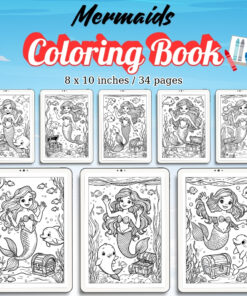
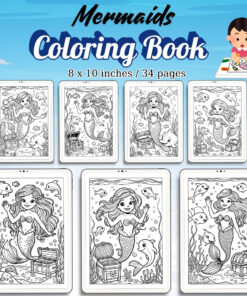
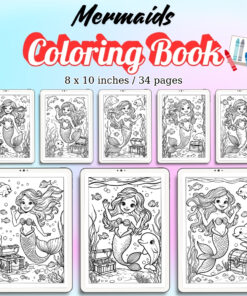
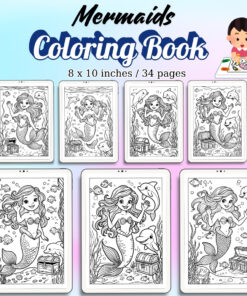
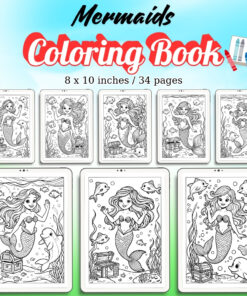
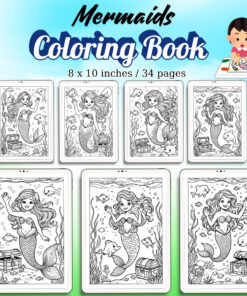
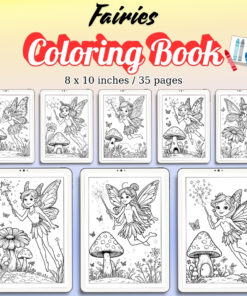
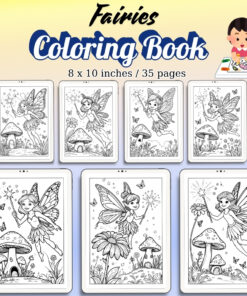


Coloring pages are more than just a fun pastime—they are a powerful and versatile Coloring Pages as a Teaching Tool that can transform the way children learn. From enhancing fine motor skills to sparking creativity, these simple activities offer countless educational benefits. Whether in the classroom or at home, coloring pages can be tailored to teach subjects like math, science, and language arts in an engaging way. Discover how this creative tool can make learning both effective and enjoyable for kids of all ages!
Educational Benefits of Coloring Pages
Coloring pages are far more than just a way to keep children entertained—they are a dynamic Coloring Pages as a Teaching Tool with profound educational benefits. One of the most notable advantages is the development of fine motor skills. As children grip crayons or markers and carefully color within lines, they strengthen their hand-eye coordination and dexterity, which are essential for tasks like writing and typing. This seemingly simple activity also fosters creativity and self-expression, allowing children to experiment with colors, patterns, and designs, and encouraging them to make independent choices.

Beyond creativity, coloring pages enhance focus and patience. Completing a detailed coloring page requires concentration, teaching children to stay engaged with a task from start to finish. This skill translates into better attention spans in academic settings. Additionally, coloring supports cognitive development by introducing concepts like shapes, patterns, and spatial awareness. For example, color-by-number activities can help young learners understand sequencing and follow instructions, while thematic pages can reinforce lessons in science, history, or language arts.
Moreover, coloring pages provide a calming effect, reducing stress and anxiety, which is particularly beneficial in a classroom environment. By integrating Coloring Pages as a Teaching Tool, educators can create a balanced approach to learning that combines fun with meaningful skill-building, making education both effective and enjoyable.
How to Use Coloring Pages in Different Subjects
Coloring Pages as a Teaching Tool can be seamlessly integrated into various subjects, making learning more interactive and engaging. In language arts, coloring pages featuring letters, sight words, or storybook characters can help reinforce vocabulary and reading skills. For instance, children can color scenes from a story they’ve read, then retell the narrative in their own words, enhancing comprehension and creativity.
In mathematics, coloring pages become a fun way to teach numbers, shapes, and patterns. Color-by-number activities not only make counting enjoyable but also introduce basic arithmetic concepts. For older students, geometric coloring pages can help visualize symmetry, fractions, and spatial relationships, turning abstract ideas into tangible learning experiences.

For science, coloring pages depicting animals, plants, or the solar system can spark curiosity about the natural world. Teachers can use these pages to explain life cycles, ecosystems, or planetary systems, allowing students to color while absorbing key concepts. Similarly, in social studies, coloring pages featuring historical figures, maps, or cultural symbols can make lessons about history and geography more relatable and memorable.
By incorporating Coloring Pages as a Teaching Tool across subjects, educators can create a multisensory learning environment that caters to diverse learning styles. This approach not only reinforces academic content but also encourages creativity, making education a more enjoyable and holistic experience for students.
Creative Learning Activities with Coloring Pages
Coloring Pages as a Teaching Tool can be transformed into a variety of creative learning activities that captivate students’ imaginations while reinforcing educational concepts. One engaging approach is thematic coloring projects, where students work on pages tied to specific topics, such as seasons, holidays, or cultural celebrations. These projects can culminate in collaborative displays, like classroom murals, fostering teamwork and a sense of accomplishment.
Another innovative idea is interactive coloring games, such as color-by-number or color-by-letter activities. These games not only make learning fun but also help children practice number recognition, letter identification, and following instructions. For a more personalized touch, encourage students to create their own coloring pages based on lessons they’ve learned, allowing them to express their understanding in a unique and artistic way.

Story-based coloring is another powerful activity. After reading a story, students can color scenes or characters from the narrative, then use their artwork to retell the story or create alternate endings. This activity enhances comprehension, creativity, and verbal expression.
Finally, integrating technology can add a modern twist. Digital coloring tools and apps allow students to experiment with colors and designs on tablets or computers, blending traditional creativity with tech-savvy skills. By using Coloring Pages as a Teaching Tool in these creative ways, educators can make learning more dynamic, interactive, and enjoyable for students of all ages.
Tips for Teachers and Parents
Using Coloring Pages as a Teaching Tool effectively requires thoughtful planning and creativity. Here are some practical tips for teachers and parents to maximize their educational value:
Choose Age-Appropriate Designs: Select coloring pages that match the child’s skill level. Simple, bold outlines work best for younger children, while intricate designs can challenge older kids and keep them engaged.
Align with Learning Goals: Integrate coloring pages into lessons to reinforce specific topics. For example, use animal-themed pages for science or alphabet pages for language arts, ensuring the activity supports educational objectives.
Encourage Creativity: Allow children to experiment with colors and designs without strict rules. This fosters self-expression and boosts confidence in their artistic abilities.

Incorporate Technology: Explore digital coloring tools and apps to add variety. These platforms can make coloring more interactive and appealing, especially for tech-savvy kids.
Promote Collaboration: Use group coloring activities to encourage teamwork. Collaborative projects, like creating a classroom mural, help build social skills and a sense of community.
Display Finished Work: Showcase completed coloring pages to celebrate children’s efforts. This boosts their self-esteem and motivates them to take pride in their work.
By following these tips, teachers and parents can transform Coloring Pages as a Teaching Tool into a meaningful and enjoyable learning experience that nurtures both academic and creative growth.
In conclusion, Coloring Pages as a Teaching Tool offer endless possibilities for creative and engaging learning activities. From thematic projects to interactive games and story-based exercises, these simple yet versatile tools can transform education into a vibrant and enjoyable experience. By incorporating coloring pages into lessons, teachers and parents can inspire creativity, reinforce learning, and make education a fun adventure for children. Embrace the power of coloring pages and unlock a world of imaginative learning today!
———————————————————————
If you’ve enjoyed this article and found it helpful, consider supporting the site by exploring some amazing classroom decor products available on Amazon. When you purchase through the affiliate links below, it won’t cost you anything extra—but it helps us earn a small commission to keep creating quality content and free resources for teachers like you. Thank you for your support!
Here are some highly rated and teacher-approved classroom decor items to brighten up your learning space:
1. 9 Calming Corner Posters for Classroom Must Haves – 11×14″
Create a safe space with these beautifully designed calming posters. Perfect for mindfulness and emotional regulation.
2. Mewise Class Jobs Pocket Chart for Classroom
Make classroom management easier with this vibrant job chart. It’s durable, easy to use, and encourages student responsibility.
3. Hadley Designs 9 Calming Corner Posters – Calm Down Corner Supplies (11×14″)
Another beautiful set to enhance your Calm Down Corner, perfect for encouraging positive behavior and emotional awareness.
4. Hadley Designs Motivational Posters for Classroom
This set of uplifting quotes inspires students daily while adding charm and motivation to your walls.
5. ULEGIE Boho Classroom Decor Art Poster Hanger Frame
Stylish, boho-themed frames that make switching out posters a breeze. A perfect match for modern, neutral classrooms.
6. Boho Classroom Decor for Teacher – Cute Neutral Wall Decor
Subtle yet impactful, this décor set brings a cozy, calming vibe to any elementary classroom setup.
7. 32pcs Classroom Bulletin Board Decorations Set
A colorful and flexible set to decorate your boards throughout the year—includes a variety of designs to mix and match.
8. English/Spanish Glossy Alphabet Posters – 16.5 x 11.7 Inches
Perfect for dual-language classrooms, these ABC charts are clear, durable, and educational.
9. Decorably 20 Colorful Class Rules Poster Set – 11x14in
Establish classroom expectations with style. These posters are visually engaging and help set a positive tone.
10. Hadley Designs Motivational Posters – 9 Growth Mindset Wall Art
Help students build resilience and a growth mindset with these colorful and powerful affirmations.
11. 98 Pieces Cactus Calendar Bulletin Board Set
A fun, comprehensive calendar set with days, weather, holidays, and more—great for daily routines and seasonal themes.
