
Blog
Digital Clipart vs. Printable Clipart: What’s Best for You?

Apr


Are you torn between using digital clipart or printable clipart for your next project? You’re not alone! With the rise of digital art and DIY crafting, choosing the right type of clipart can make or break your creative workflow. Did you know that 85% of crafters and designers prefer digital clipart for its versatility, while printable clipart remains a favorite for physical projects like scrapbooking and home decor? Whether you’re a graphic designer, small business owner, or hobbyist, this guide will break down the pros, cons, and best uses for both types of clipart. Let’s dive in and find out which one is perfect for you!
What Is Digital Clipart?
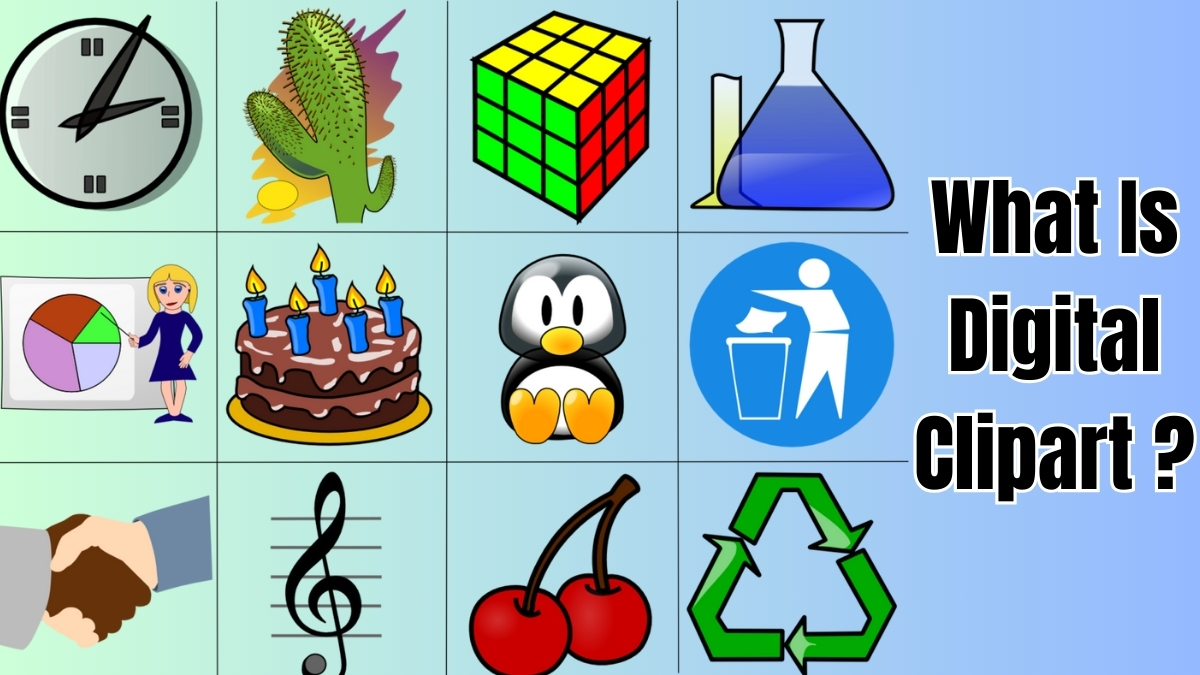
Let’s start with the basics: digital clipart. If you’ve ever scrolled through Pinterest or designed a social media post, chances are you’ve encountered digital clipart. It’s essentially pre-made graphics or illustrations that you can download and use in your digital projects. Think of it as a treasure trove of images, icons, and designs that you can mix and match to create something uniquely yours. But here’s the kicker—digital clipart isn’t just one-size-fits-all. It comes in various file formats, each with its own quirks and uses.
The most common formats you’ll come across are PNG, SVG, JPEG, and AI. PNGs are my personal favorite because they often come with transparent backgrounds, which is a lifesaver when you’re layering designs. SVGs, on the other hand, are vector-based, meaning you can resize them to your heart’s content without losing quality—perfect for logos or banners. JPEGs are great for simpler designs, but they don’t support transparency, so they’re a bit limited. And then there’s AI, which is Adobe Illustrator’s native format. It’s super versatile but requires, well, Illustrator to edit. If you’re not a pro designer, stick to PNGs or SVGs.
Now, where does digital clipart shine? Honestly, it’s a game-changer for anything digital. I’ve used it for web design, social media graphics, and even digital scrapbooking. It’s especially handy for creating cohesive branding across platforms. For example, I once designed a set of Instagram story templates using digital clipart, and it saved me hours of drawing from scratch. Plus, the instant download feature means you can start working on your project right away—no waiting for shipping or dealing with physical materials.
But, like anything, digital clipart has its downsides. First, you’ll need some kind of design software to edit it. If you’re not familiar with tools like Canva, Photoshop, or Illustrator, there’s a bit of a learning curve. And while digital clipart is perfect for online use, it’s not ideal for physical projects unless you’re willing to print it yourself. I learned this the hard way when I tried to print a digital clipart design for a friend’s baby shower invitation. The colors didn’t translate well on paper, and let’s just say it wasn’t my finest moment.
So, to sum it up: digital clipart is your go-to for anything online. It’s flexible, easy to edit, and instantly accessible. But if you’re planning to print something, you might want to consider printable clipart instead. More on that in the next section!
What Is Printable Clipart?
Okay, let’s switch gears and talk about printable clipart. If digital clipart is the cool, tech-savvy sibling, printable clipart is the reliable, no-fuss one. It’s designed specifically for physical projects, and let me tell you, it’s a lifesaver when you’re working on something tangible. Whether you’re crafting invitations, decorating your home, or creating educational materials, printable clipart is your best friend.
Printable clipart typically comes in formats like PDF, JPEG, and sometimes PNG. PDFs are my top pick because they’re print-ready and maintain their quality no matter what device or printer you use. JPEGs are also common, but you’ll want to make sure they’re high-resolution (300 DPI or higher) to avoid that dreaded pixelation. PNGs can work too, especially if you need transparency, but they’re not as common for printable clipart.
One of the biggest perks of printable clipart is that it’s ready to use right out of the box. You don’t need to be a design whiz to make it work—just download, print, and you’re good to go. I remember using printable clipart for my niece’s birthday party decorations. I found these adorable balloon and confetti designs, printed them on cardstock, and voilà—instant party decor. It was so easy, even my non-crafty sister was impressed.

But here’s the thing: printable clipart isn’t as versatile as its digital counterpart. It’s designed for physical use, so if you try to use it for digital projects, you might run into issues. For example, I once tried to use a printable clipart design for a Facebook event banner, and the resolution just wasn’t there. It looked fine on paper but pixelated on screen. Lesson learned: stick to printable clipart for physical projects and digital clipart for online ones.
Another thing to keep in mind is printing costs. While printable clipart itself is often affordable, printing it can add up, especially if you’re using high-quality paper or color ink. I’ve definitely had moments where I underestimated how much ink those vibrant designs would use. Pro tip: if you’re printing a lot, consider investing in a good printer or using a professional printing service to save money in the long run.
In a nutshell, printable clipart is perfect for hands-on, physical projects. It’s easy to use, requires no editing skills, and delivers professional-looking results. Just make sure you’ve got the right printer and paper to bring your designs to life.
Key Differences Between Digital and Printable Clipart
Alright, let’s break it down: what’s the real difference between digital and printable clipart? At first glance, they might seem similar, but trust me, they’re like apples and oranges once you dig deeper. The biggest distinction comes down to purpose. Digital clipart is made for online use—think social media posts, website graphics, or digital scrapbooking. Printable clipart, on the other hand, is designed for physical projects like invitations, posters, or classroom materials.
Then there’s the issue of file types. Digital clipart usually comes in editable formats like SVG or AI, which are perfect for tweaking and resizing. Printable clipart, though, is often in PDF or JPEG format, optimized for printing. I’ve made the mistake of trying to edit a PDF clipart file, and let’s just say it didn’t go well. Stick to the right format for the right job, folks.
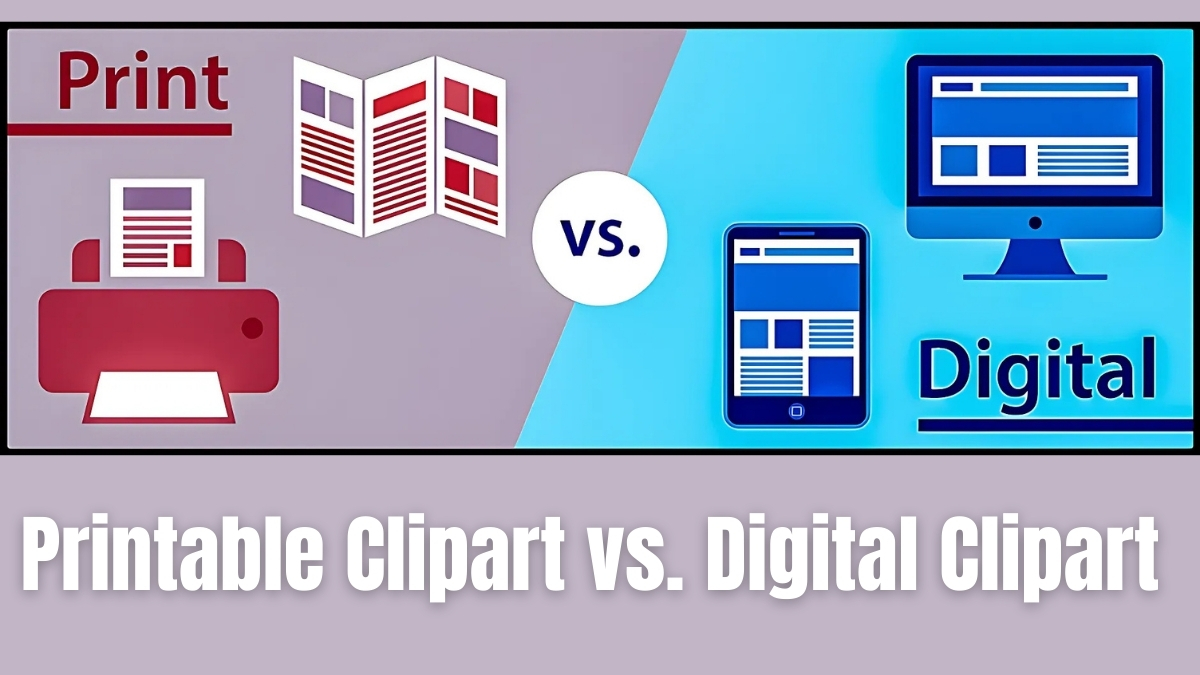
Customization is another big factor. Digital clipart wins hands-down here because it’s so easy to edit. You can change colors, resize elements, and layer designs to your heart’s content. Printable clipart, while convenient, doesn’t offer the same flexibility. Once it’s printed, that’s it—no going back to tweak the design.
Accessibility is also worth noting. Digital clipart is instantly downloadable, which is great if you’re on a tight deadline. Printable clipart, while also downloadable, often requires additional steps like printing or cutting, which can be time-consuming. And let’s not forget cost. Digital clipart is usually a one-time purchase that you can reuse endlessly, while printable clipart might come with ongoing printing costs.
So, which one should you choose? It all depends on your project. If you’re working on something digital, go for digital clipart. If it’s a physical project, printable clipart is the way to go. And if you’re like me and love having options, why not keep both in your toolkit? You never know when you’ll need that perfect design for your next project.
When to Use Digital Clipart
Let’s get real for a second: digital clipart is a lifesaver for anyone working in the online space. If you’re running a digital marketing campaign, creating social media graphics, or designing a website, digital clipart is your best bet. I remember this one time I was tasked with creating a series of Instagram posts for a client. I had a tight deadline, and drawing everything from scratch wasn’t an option. Enter digital clipart! I found these adorable icons and illustrations, customized them to match the brand’s colors, and boom—I had a cohesive set of posts in no time.
Another scenario where digital clipart shines is when you’re creating logos or banners. Because digital clipart often comes in vector formats like SVG or AI, you can scale it up or down without losing quality. This is huge if you’re designing something that needs to look sharp on both a tiny mobile screen and a massive billboard. I once designed a logo using an SVG clipart file, and it worked perfectly across all platforms—website, business cards, even a giant banner at a trade show. Talk about versatility!
And let’s not forget about digital scrapbooking. If you’re into preserving memories but don’t want the mess of physical scrapbooking, digital clipart is your go-to. I’ve created entire photo albums using digital clipart elements like frames, stickers, and backgrounds. It’s so much fun to play around with different designs, and the best part? You can undo mistakes with a simple click. No glue, no scissors, no regrets.
One thing to keep in mind, though, is that digital clipart works best for projects that will live online. If you’re planning to print something, you’ll need to make sure the resolution is high enough (300 DPI is the gold standard). I learned this the hard way when I tried to print a digital clipart design for a friend’s wedding invitation. It looked great on screen but turned out blurry on paper. Moral of the story: know your project’s end goal before choosing your clipart.
When to Use Printable Clipart
Now, let’s talk about printable clipart. If you’re a hands-on crafter or someone who loves tangible creations, printable clipart is your new best friend. I’ve used it for everything from wedding invitations to classroom decorations, and it never disappoints. One of my favorite projects was creating a set of holiday cards using printable clipart. I found these gorgeous winter-themed designs, printed them on high-quality cardstock, and added some glitter for extra sparkle. They were a hit with my friends and family!
Printable clipart is also perfect for physical crafts like scrapbooking, card-making, or home decor. I once used printable clipart to create a custom wall art piece for my living room. I printed the designs on canvas, framed them, and voilà—instant home upgrade. It was so satisfying to see my vision come to life in a way that digital projects just can’t replicate.
Another great use for printable clipart is educational materials. Whether you’re a teacher creating worksheets or a parent making flashcards, printable clipart can make learning fun and visually engaging. I remember helping my niece with her math homework by creating a set of colorful flashcards using printable clipart. She loved the bright designs, and it made studying way more enjoyable for both of us.
But here’s the thing: printable clipart isn’t ideal for digital projects. I once tried to use a printable clipart design for a Facebook event banner, and it just didn’t work. The resolution wasn’t high enough for screen use, and the colors looked off. Lesson learned: stick to printable clipart for physical projects and digital clipart for online ones.
Pros and Cons of Digital Clipart
Let’s break it down: digital clipart has some serious perks, but it’s not without its drawbacks. On the plus side, it’s incredibly versatile. You can resize, recolor, and customize it to fit your needs. I’ve used the same digital clipart file for everything from blog headers to email newsletters, and it’s saved me so much time. Plus, it’s instantly downloadable, which is a huge win if you’re working on a tight deadline.
Another big advantage is that digital clipart is reusable. Once you buy or download a file, you can use it across multiple projects without any additional cost. I’ve built entire branding kits for clients using just a handful of digital clipart files. It’s cost-effective and efficient—what’s not to love?
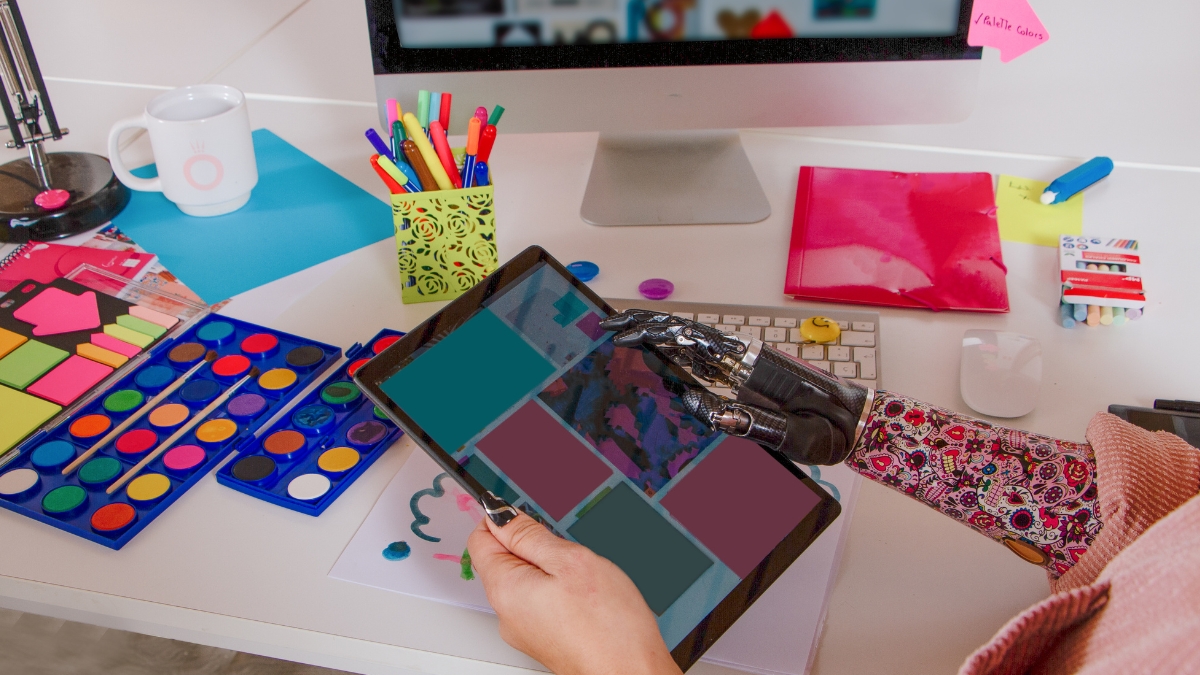
But, of course, there are downsides. Digital clipart requires design software to edit, which can be a barrier if you’re not tech-savvy. I’ve had moments where I spent hours trying to figure out how to use a new tool, only to give up and ask a designer friend for help. And while digital clipart is perfect for online use, it’s not ideal for physical projects unless you’re willing to invest in high-quality printing.
Pros and Cons of Printable Clipart
Printable clipart has its own set of pros and cons. On the upside, it’s ready to use right out of the box. You don’t need any design skills or software—just download, print, and you’re good to go. I’ve used printable clipart for last-minute party decorations, and it’s always saved the day.
Another advantage is that printable clipart is perfect for hands-on projects. There’s something so satisfying about holding a physical creation in your hands, whether it’s a handmade card or a piece of wall art. I’ve found that printable clipart adds a personal touch to gifts and decorations that digital designs just can’t match.
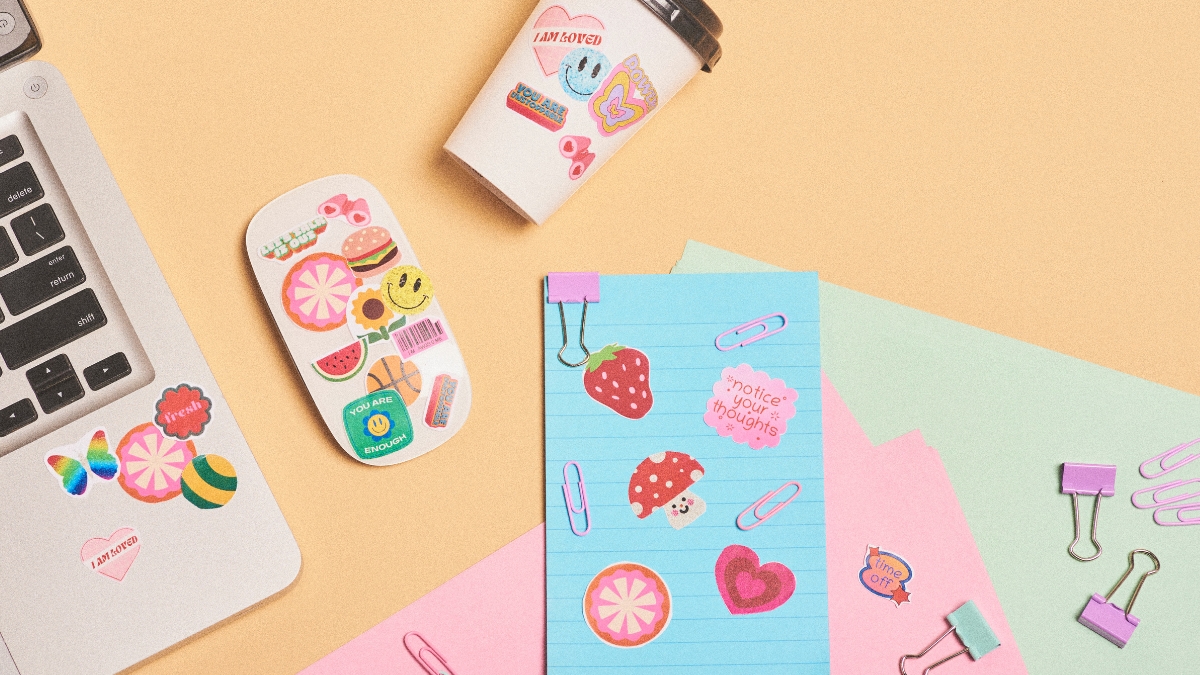
But printable clipart isn’t without its drawbacks. For one, it’s limited to physical use. If you try to use it for digital projects, you’ll likely run into resolution issues. And while the clipart itself is often affordable, printing costs can add up, especially if you’re using high-quality paper or color ink.
How to Choose the Right Clipart for Your Needs
Choosing the right clipart comes down to understanding your project’s needs. Start by asking yourself: is this a digital or physical project? If it’s digital, go for digital clipart. If it’s physical, printable clipart is the way to go.
Next, consider your technical skills and tools. If you’re comfortable with design software, digital clipart offers more flexibility. But if you’re a beginner or prefer a hands-on approach, printable clipart is easier to use.
Budget is another factor. Digital clipart is often a one-time purchase that you can reuse, while printable clipart may come with ongoing printing costs. And don’t forget to check the licensing terms—some clipart is free for personal use but requires a license for commercial projects.
Finally, think about reusability. If you’re working on a long-term project or building a brand, digital clipart is a better investment because you can use it across multiple platforms. But if you’re working on a one-time project, printable clipart might be more cost-effective.
In the end, the right clipart is the one that helps you bring your vision to life. So, take your time, explore your options, and don’t be afraid to experiment. Happy creating!
Choosing between digital clipart and printable clipart ultimately depends on your project goals, skills, and resources. Digital clipart offers unmatched flexibility for online and editable designs, while printable clipart shines in hands-on, physical creations. Whether you’re crafting a social media campaign or designing a scrapbook, understanding the strengths of each type will help you make the best choice. Ready to get started? Explore our collection of digital and printable clipart today and bring your creative visions to life!
———————————————————————
If you found this article helpful and want to explore even more ways to brighten your classroom, we’ve curated a list of highly rated classroom decor items available on Amazon. By purchasing through the affiliate links below, you’re not only enhancing your teaching environment—you’re also helping support this website. Every small commission earned helps us keep creating free, high-quality resources for educators like you. Thank you for your support!
Our Favorite Classroom Decor Picks:
1. 9 Calming Corner Posters for Classroom Must Haves – 11×14″
Create a soothing space with these beautiful calming corner posters—perfect for helping students manage emotions and feel safe.
2. Mewise Class Jobs Pocket Chart for Classroom
A practical and colorful chart that makes assigning classroom jobs fun and organized for young learners.
3. Hadley Designs 9 Calming Corner Posters – Calm Down Corner Supplies (11×14″)
Another calming corner option from Hadley Designs, these posters focus on mindfulness and emotional regulation.
4. Hadley Designs Motivational Posters for Classroom
Inspire positivity and growth with these vibrant motivational posters featuring uplifting messages students will love.
5. ULEGIE Boho Classroom Decor Art Poster Hanger Frame
Add a modern, aesthetic touch to your classroom with this boho-style hanging frame—ideal for art prints or rules posters.
6. Boho Classroom Decor for Teacher – Cute Neutral Wall Decor
Soft neutral tones and minimalist design make this a calming, stylish choice for contemporary classroom spaces.
7. 32pcs Classroom Bulletin Board Decorations Set
A complete set of decorative pieces that bring color and structure to your bulletin boards—great for seasonal or thematic updates.
8. English/Spanish Glossy Alphabet Posters – 16.5 x 11.7 Inches
Bilingual and educational, these ABC charts are a valuable tool for early learners and dual-language classrooms.
9. Decorably 20 Colorful Class Rules Poster Set – 11x14in
Reinforce important classroom expectations with this vibrant and visually engaging set of 20 class rules posters.
10. Hadley Designs Motivational Posters – 9 Growth Mindset Wall Art
Promote perseverance and resilience with these beautifully designed growth mindset posters, perfect for any grade level.
11. 98 Pieces Cactus Calendar Bulletin Board Set
A comprehensive and fun cactus-themed calendar kit that includes everything from days of the week to seasonal elements—perfect for daily routines.
